| Religious Education Postgraduate Study Materials |
This material shows some examples (not extensive nor exhaustive) of how at postgraduate level, religious topics have been taught with an open, research-oriented pedagogy. This is considered to be consistent with the critical pedagogy proposed in chapter 9 of Life to the full.
A CRITICAL, INQUIRING PEDAGOGY USED FOR THE STUDY OF RELIGIOUS TOPICS
For other audiovisual material related to chapters of LIfe to the full click here
|
Section |
Summary of section content |
|
|
06 |
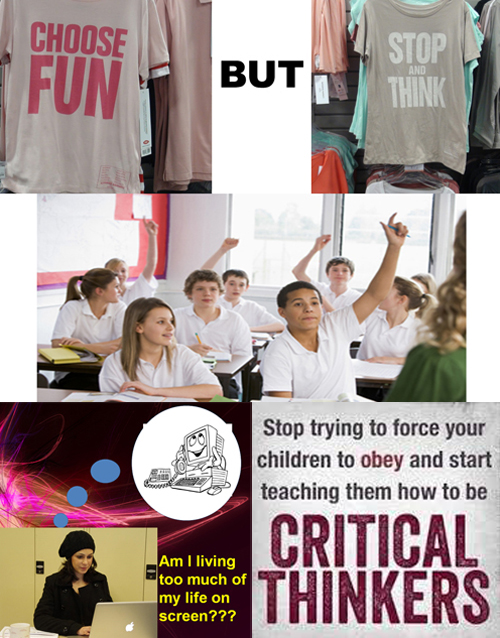
In addition to educating young people comprehensively within their own religious faith tradition, church school religious education needs to include content and pedagogy that may help young people learn how to discern the shaping influence of contemporary culture on people's beliefs and values and behaviour. Both for those students who are religious and those who are not, religious education can help them learn how to make more sense of life in an increasingly complex culture and this might help them develop skills and knowledge for charting a more meaningful life. Hence the need for two dimensions to religious education. 1. A commitment to the handing on of the Catholic religious tradition – knowledge of Christian theology and spirituality, scripture, church history, sacraments, morality and liturgy etc. |
 |
|
07 |
This section sets out to identify and discuss key issues and principles that might apply to school and classroom prayer for students in Catholic schools. And this is complemented by the need to work out how best to study prayer, and to educate students in prayer across the K-12 religion curriculum. It is organised in two parts -- firstly a mainly experiential sub-section and secondly a discussion of key issues about the teaching of prayer. This first part is primarily experiential looking at examples of prayers and of the meanings that they have. The second part will build on this and will develop perspective on what needs to be taken into account in both the experience of prayer and in educating in relation to prayer. |
 |
|
08 |
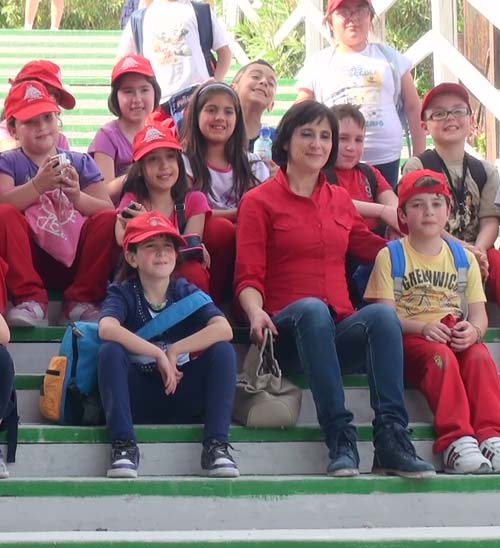
This section provides some critical background for interpreting the current interest in storytelling pedagogy is in religious education particularly at primary school level. It also has implications for the critical interpretation of religious texts secondary school level This section begins with some initial ideas about storytelling and religious storytelling and how this may be related to children's spiritual development. Some attention is given to the Godly play pedagogy and to the importance of parables as subversive stories. The remainder of the section looks into a number of issues that crop up across the religion curriculum related to the interpretation of Scripture. it looks at problems with literal/fundamentalist interpretations, the clash between biblical symbolic/theological meanings and scientific meanings. |
 |
|
09 |
This section complements and follows up theological studies of Jesus that may be undertaken in various theology units by focusing on the key issues for teaching about Jesus in religious education. It looks into the key difference between the Jesus of history and the Christ of Christian faith -- or the difference between the pre-Easter Jesus and the post--Easter Jesus. The unit commences by identifying some of the most important principles and issues that teachers would need to keep in mind to give some panoramic perspective on how to go about teaching Jesus across the school religion curriculum. Firstly there is the need to see the relationship between studying Jesus and interpreting both the theology and the historicity of the Gospels – the principal source of information about Jesus. Scholars have pointed out that the Gospels, while describing the life of Jesus, were written from a "post-Easter perspective". In other words, they were presuming that the readers would be interpreting the story from a stance of faith in Jesus as the Christ, the son of the living God. Not recognising this difference from the "historical Jesus" creates problems with the interpretation of the new Testament. Practical approaches to the study of the Jesus of history and the Christ of faith can make use of film studies – study of the first Christian films going back to the late part of the 19th century through to the more recent Jesus films and stage productions such as Jesus Christ Superstar and Godspell. These studies help demonstrate that the four Gospels are primarily testaments of faith and that they were written with strong symbolic and theological overtones – they are not just stories of the life of Jesus. |
 |
|
10 |
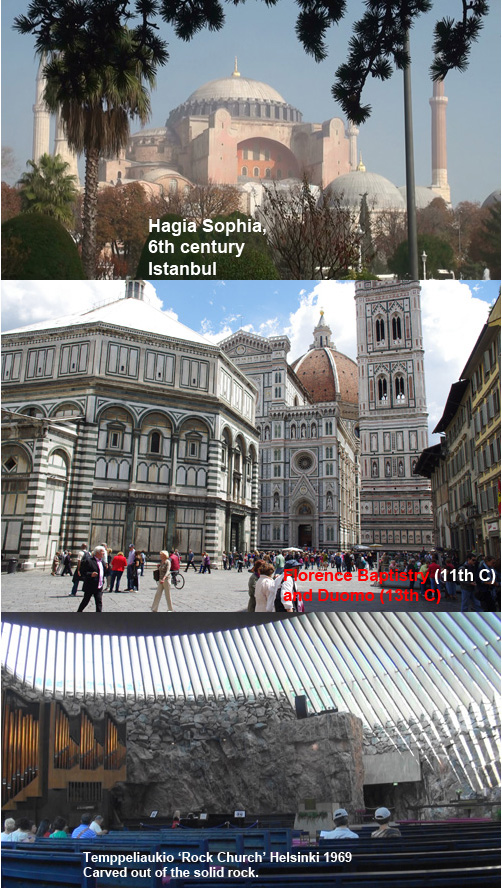
This practical section looks at some of the issues that inform the teaching of Church history across the religion curriculum. And it considers how religious education might help develop in pupils some understanding historical perspective on how the church has changed and developed since you Testament times. Some teachers are finding that they have a difficult time trying to engage students with the study of any history. So it is likely that they would find the teaching of church history are rather daunting topic. This section argues the case as to why some panoramic understanding of how the Christian church has developed over the centuries would be a valuable component in the education of young people today – whether formally religious or not. The rest of the section is primarily practical in orientation, presenting some areas of teaching, pedagogies and resource materials that might be used for teaching some aspects of church history across the religion curriculum. It will be pointed out that taking an historical perspective within classroom pedagogy can be particularly useful for teaching a whole range of religious topics E.g. The rosary, angels and devils, the historical Jesus, etc.
|
 |
|
11 |
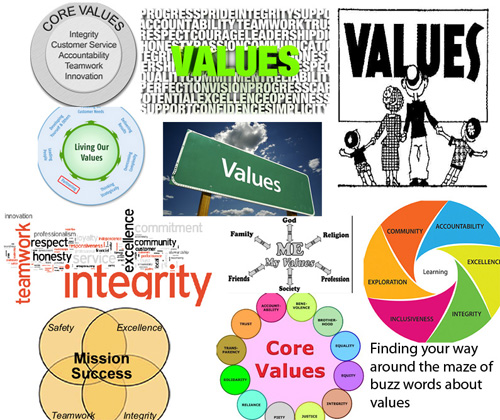
This section looks at some issues relating to the way that morality might be studied in classroom religious education. It also gives attention to the ideas of moral education in values education that have sometimes been applied across the school curriculum in all school types – not just in church schools. When it comes to educating young people in morality and values, one of the principal difficulties is that there can be unrealistic expectations that the classroom can actually bring about moral change in the students. In keeping with the ideas developed throughout this unit, it is suggested that there is a need to explore how the classroom can help educate young people with respect to morality and values. Any real change in their morality and values would have to come from within the individuals themselves. |
 |